
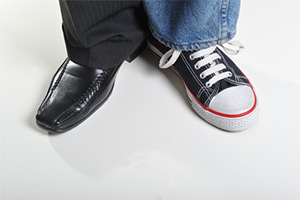
Having carried out a workshop recently on this theme… I wanted to share with you some of the research I carried out and the exercises used during the week.
Firstly, the focus was on transgenerational design – specifically how can young people have empathy with old people and vice versa. In that sense, we took the workshop to two extremes, Generation Z and Seniors/elderly. The objective of the workshop was to ask a group of cross-cultural students (French, Finnish, Italian) to choose a given theme from 7 ideas and develop empathy tools in order to research and test their them with real people.
Some of the themes groups worked on were:
Being young in an aging world.
Sex and relationships in the third age.
How to improve communication between Gen Z and seniors.
Memory and dementia.
Physical aging.
The definition of “Empathic design according to Stanford University is that it is the centerpiece of a human-centered design process. “The Empathize mode is the work you do to understand people, within the context of your design challenge. It is your effort to understand the way they do things and why, their physical and emotional needs, how they think about world, and what is meaningful to them.”
During the course of researching this topic… I came across an advert from KFC (of all brands) using an interesting transgenerational, approach… a little like Benjamin Button, an old couple become younger and younger until they become children. The message of the ad is that at the end of the day, the kids call the shots when it comes to deciding on KFC.
We wanted to start the workshop by the students understanding what empathy was, and having empathy for each other. Working with cross-cultures was interesting here, they were not all coming from the same standing point in terms of culture, rituals, storytelling, views of older and younger generations etc.
I then came across this empathy exercise about having real empathy with another person by really studying them physically. I found this approach really interesting, as we all probably spend a lot of time with our work or school colleagues, but how many of us really look at the people around us and notice physical aspects about them. My colleague on the workshop, Elyssa Sfar, also added an interesting end to this exercise idea… would we really notice if people removed an item of clothing? Changed their expression? Changed something about them. I think this exercise is a great starting point for a workshop of this nature.
We used this ICEBREAKER on this theme of “Walking in Other People’s Shoes”. WHAT’S IN YOUR BAG?
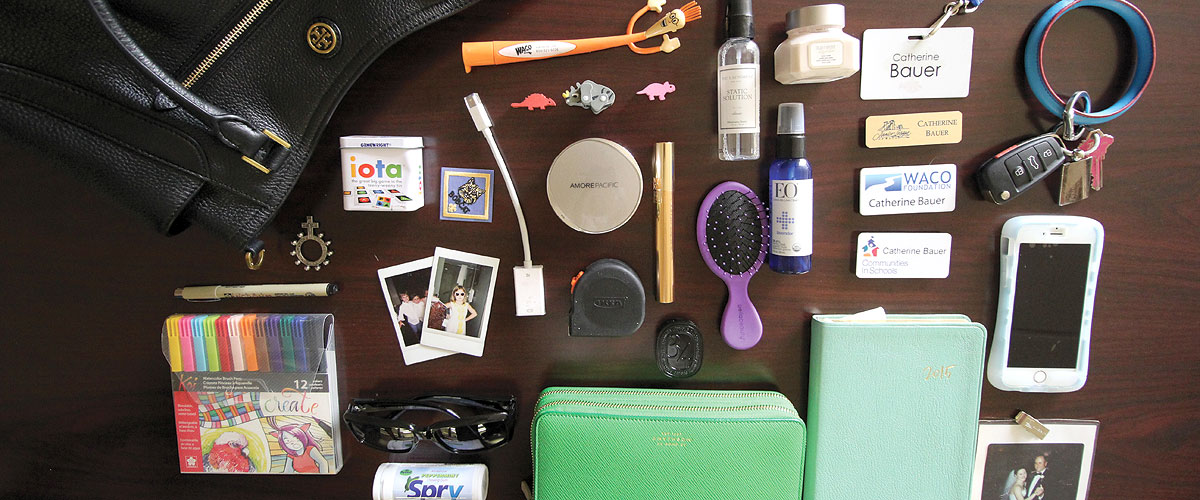
Each person puts a personal object from their bag on the table in front of them. Students then have to choose an object from another table and go for a 10/15 minute walk to discuss both their objects, why they chose them, and what special meaning they have for them. Each person has to ask questions about the object to dig deep into its significance. In this way, the participants can get to know each other, tell stories about the objects and form empathy. This exercise is a very good ice-breaker.
Once back in class, they can exchange the special stories around the objects.
This article is interesting in that it talks about the way that medical students should be trained to have empathy… it talks about walking a mile in their patients shoes… and it uses the expression “othering”… who are the others? (patients) and how can we have real empathy with them.
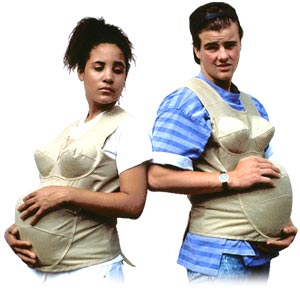
There are many tools being developed to have empathy with others’ you may have already seen Agnes? MITs Age Lab’s Empathy Suit for aging…but you may not have seen this Empathy Belly suit (below) for underage/young parents to understand what it is like to be pregnant… it is a simulated weighted suit, with sensory aspects simulating the sounds and sensations of having a real baby.
I have talked before about IDEOs Method Cards, but these have several exercises (used by the students) to have empathy with others. You can buy them as a set of cards, or as an App. You can also find a pdf version on-line. If you want to see how IDEO carry out Empathy, take a look at this hospital scenario.
The results of the workshop will be shown in a second post on this subject… in the meantime, please try and have empathy with the users and consumers you are working for… they are people with thoughts, feelings and physical aspects that are sometimes necessary to understand totally.
 DESIGN RESEARCH, MUSINGS AND INSPIRATIONS
[…] of angels wings – combining the energy and force with something softer – the more empathic side of my work. Siobhan felt that these three things defined […]