
Don Norman is a specialist in Emotional Design and the Author of the well known book of the same name, Emotional Design, the Design of Everyday Things.
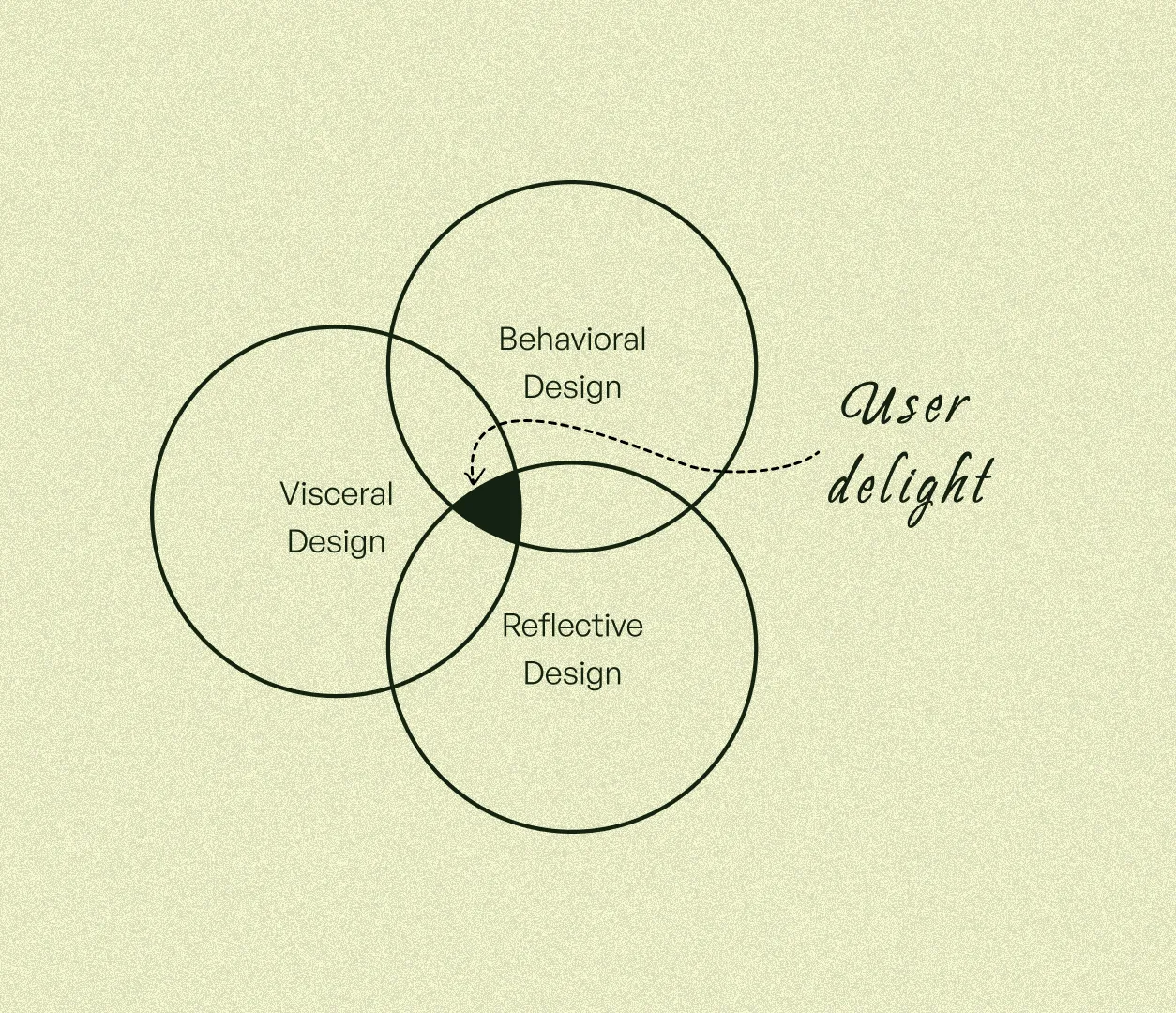
I recently worked on his ‘3 Levels of Design’ exercise in a seminar I was running in #Rennes Business School. The 3 levels of design, discusses 3 areas which can ultimately bring the user ‘delight’.
The 3 levels are:
Visceral delight
The visceral level deals with the user’s immediate reaction to a product like the way it looks or feels. It refers to the user’s instinctive emotional response to a product’s aesthetics. This includes factors including color, shape, and texture and a focus on usability. Because it satisfies our senses, it gives us pleasure.
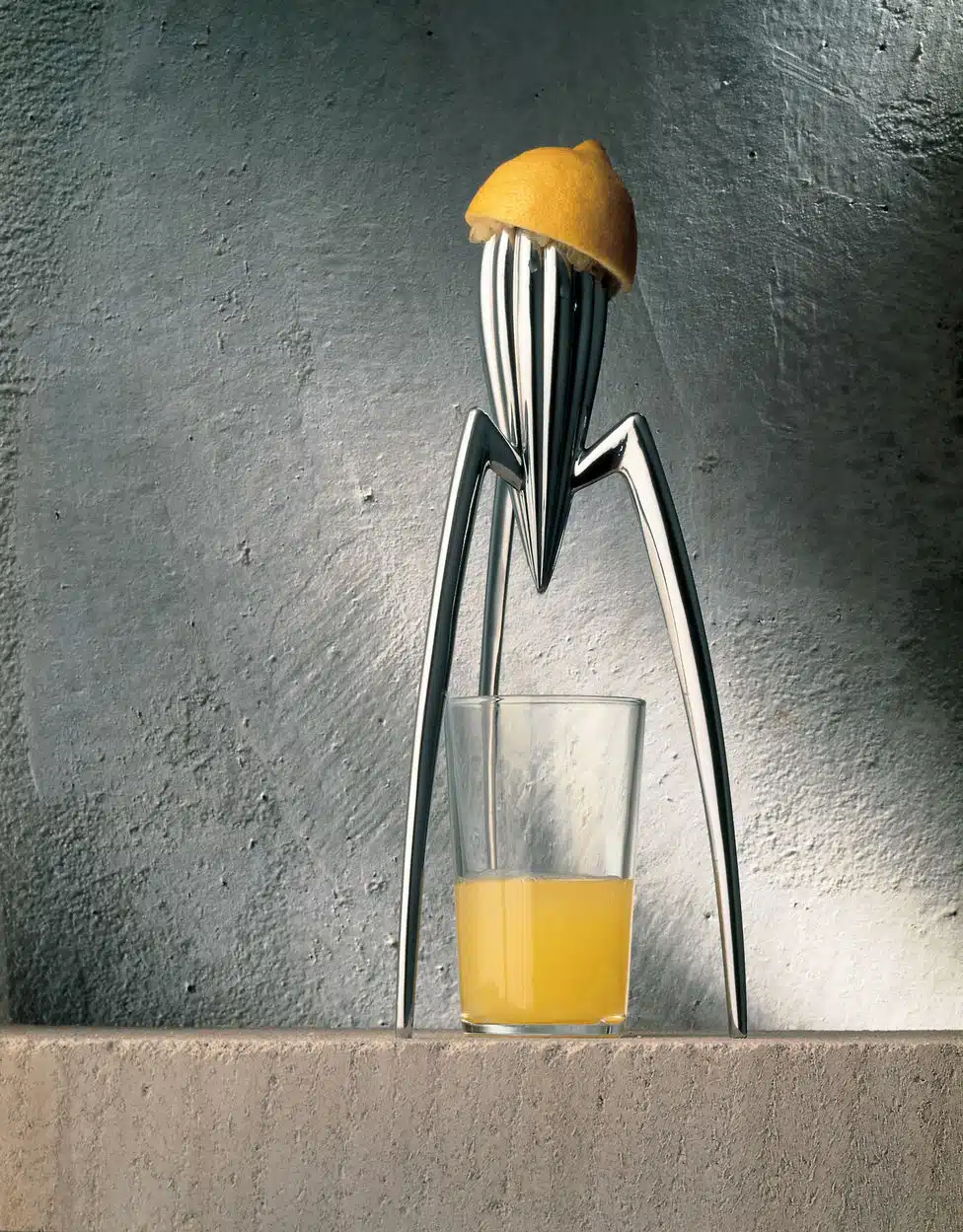
One example being the Juicy Salif, designed by Philippe Stark.
This product has what we call a double identity: on the one hand it has a practical level, it’s a citrus fruit squeezer. But on the other, it is a conversation starter. Put in a prominent place in the kitchen for example, people will wonder what it is, it is not evidently a practical object. Many of Philippe Starck’s objects were designed like this. He worked with Alessi for a long time designing many of their products.
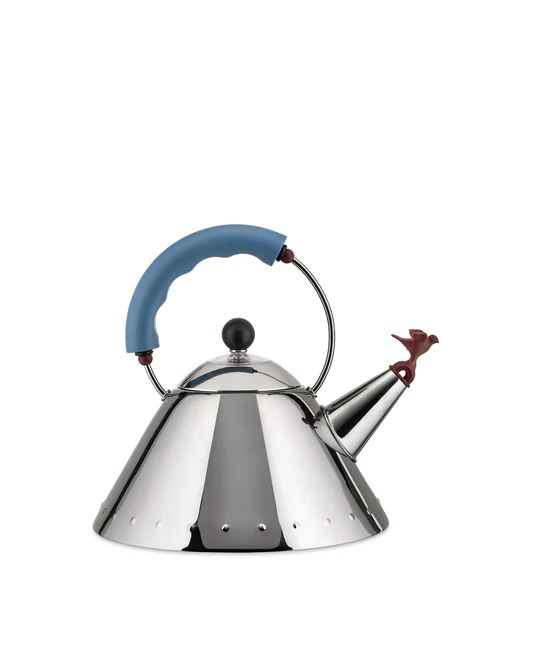
Alessi’s slogan at that time was, ‘why eat from a boring plate when you can eat from an interesting one’, and this is where the double identity derives. Above, is its 9093 kettle – practical but when the kettle boils, the bird starts singing which again delights the user.
Behavioural delight,
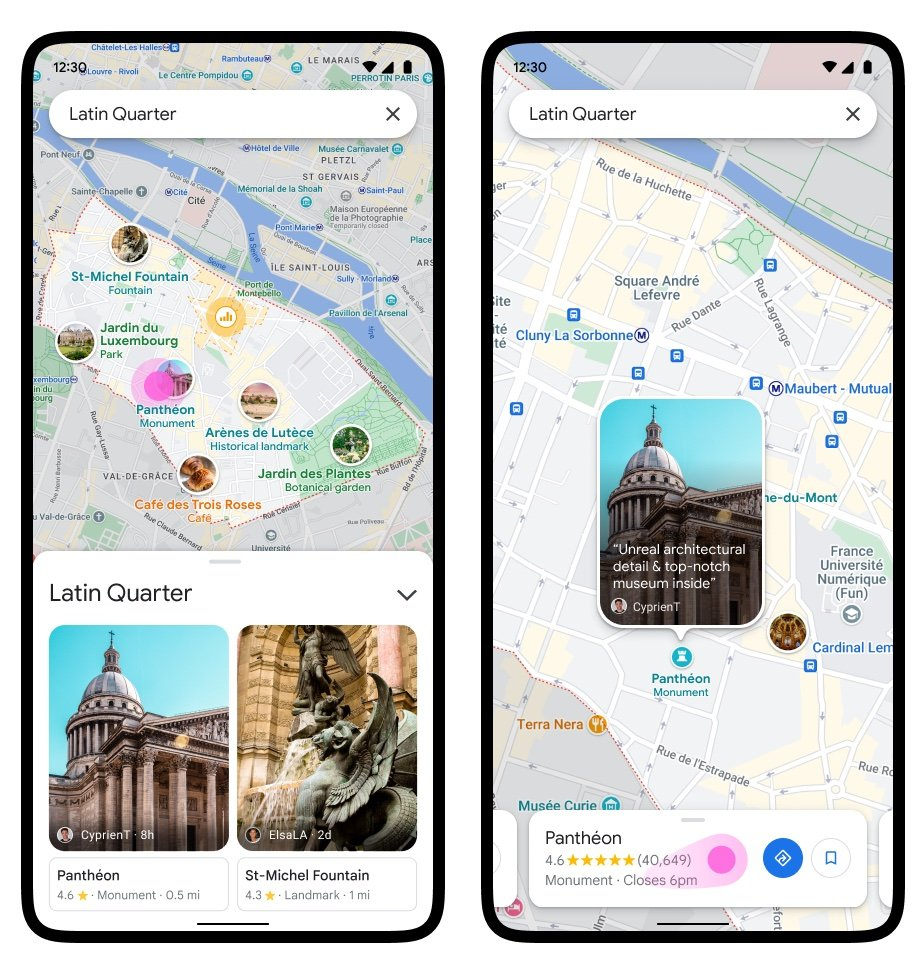
Behavioural design focuses on the product’s functionality and how it supports the user’s needs and goals. Google Maps is a great example of behavioral design, with features such as real-time traffic information and personalized recommendations based on the user’s search history.
On Google Maps for example, I can have the sound on or off, I can choose different visual modes, I can interact with the App if it needs information – these are on a more practical level but behavioural design can also include how the customer interacts with the product, personalises the experience and makes it their own.
Reflective delight
Reflective Delight creates a deeper meaning and value for the user. This includes factors such as how the product makes the user feel about themselves and their identity. Luxury fashion brands are excellent examples of reflective design. These brands, not only provide high-quality products but also, create a sense of exclusivity and social status that resonates with the user’s self-image.
And so the goal is that when we put those three elements together, the interlocking area should bring user delight.
When we bring the 3 areas together with the ‘User Delight’ in the middle. The Ultimate goal.
Can sustainability be delightful?
My seminar was about sustainable design and branding in the luxury industry. What I wanted to convey to the students was that we must not forget these elements when we are working on sustainable solutions too. We still have to delight the customer, but we have to think of interesting ways to do so.
Sustainability in the design industry is a disruptive practice, and therefore can bring surprises to the customer, it can make them feel differently, it can make them feel more engaged but it should also give them an interesting experience.
Here’s a good example of user delight from Jacquemus… This includes personalization (behavioural design).
The scenario – I receive a simple, cardboard, unique breakfast-themed invitation with a knife from the brand to launch the brand’s capsule collection with Tekla for a collaborative capsule bedding collection.
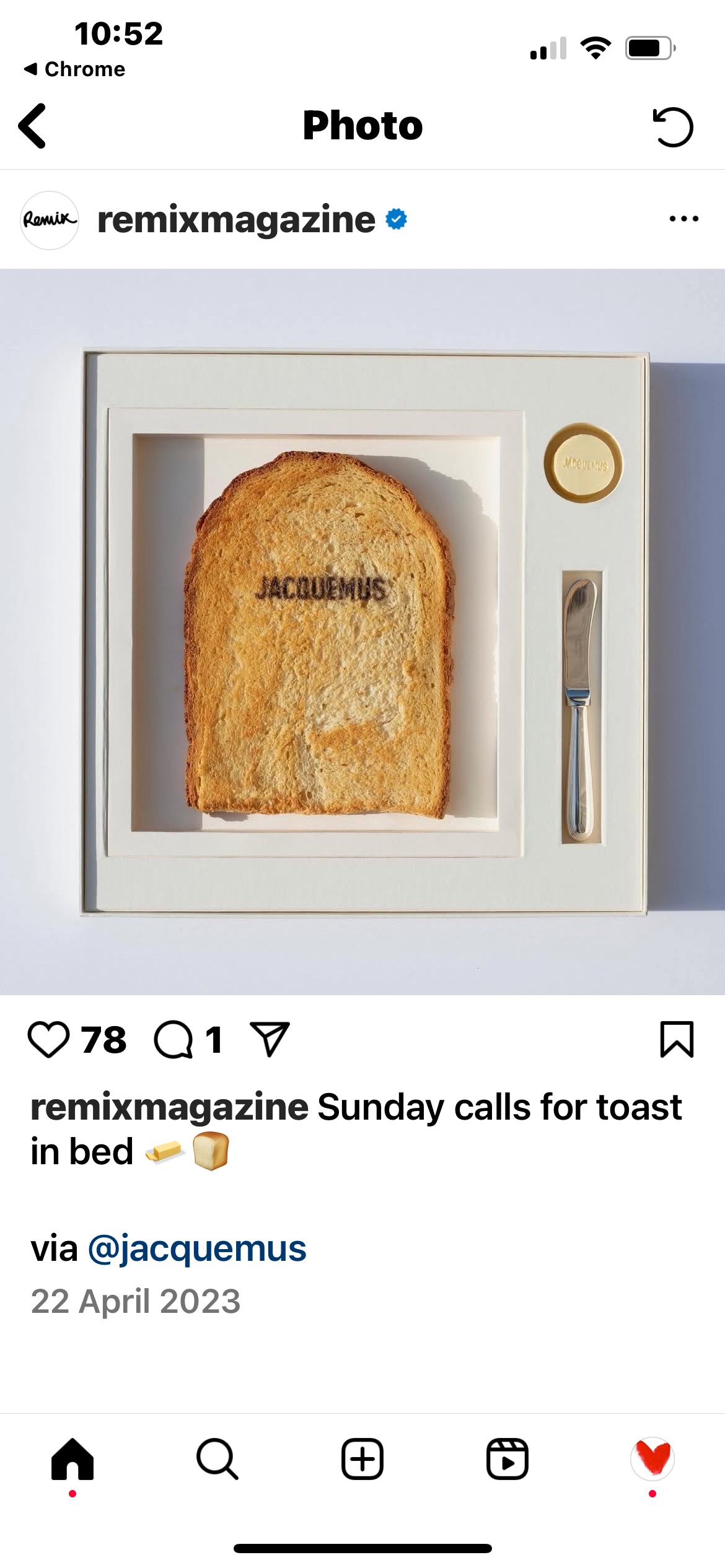
The invitation, includes a piece of toast, in typical Jacquemus style and it encourages me to personalize my breakfast experience (and add my own layer of creativity). This is great communication design but also great Reflective Delight.
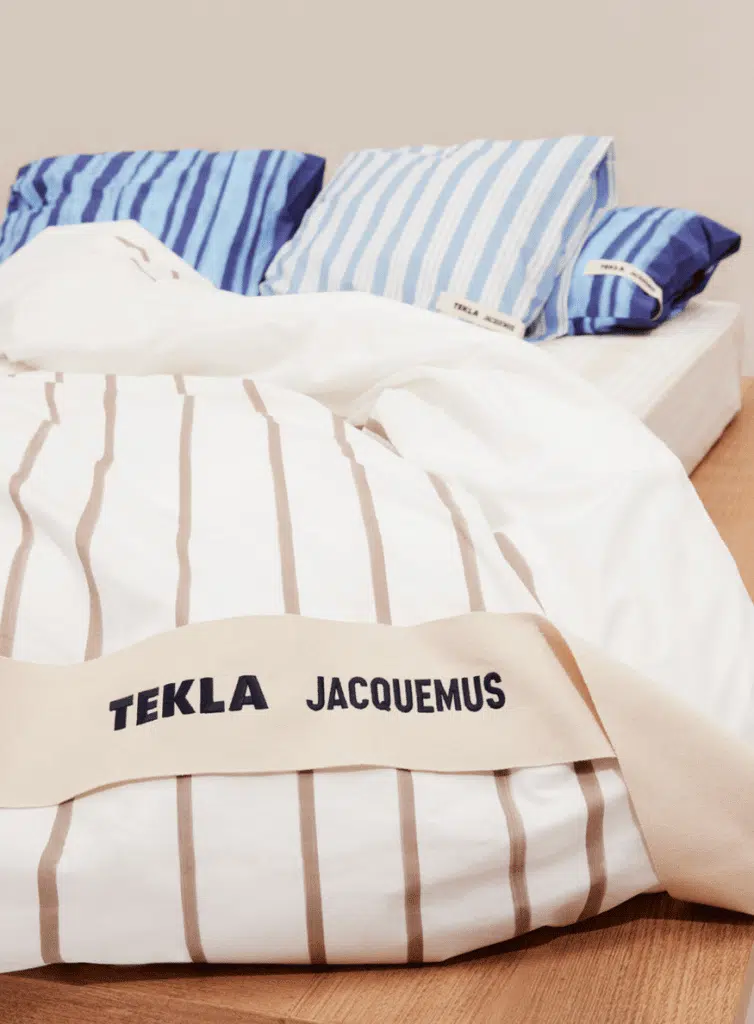
And here is a good example of a customer interacting with this invitation.
A good way to end. How can you spice up your own breakfast experience and bring yourself pure delight? Here’s a tip…
 DESIGN RESEARCH, MUSINGS AND INSPIRATIONS